
More Than a Prosthesis: Víctor’s Journey Back to Independence
June 18, 2026
CLINICAL CASE EVALUATION
Pressure Reduction Effect of Prosthetic Liners
How liner selection influenced pressure distribution, pain, and walking comfort in a transfemoral amputee
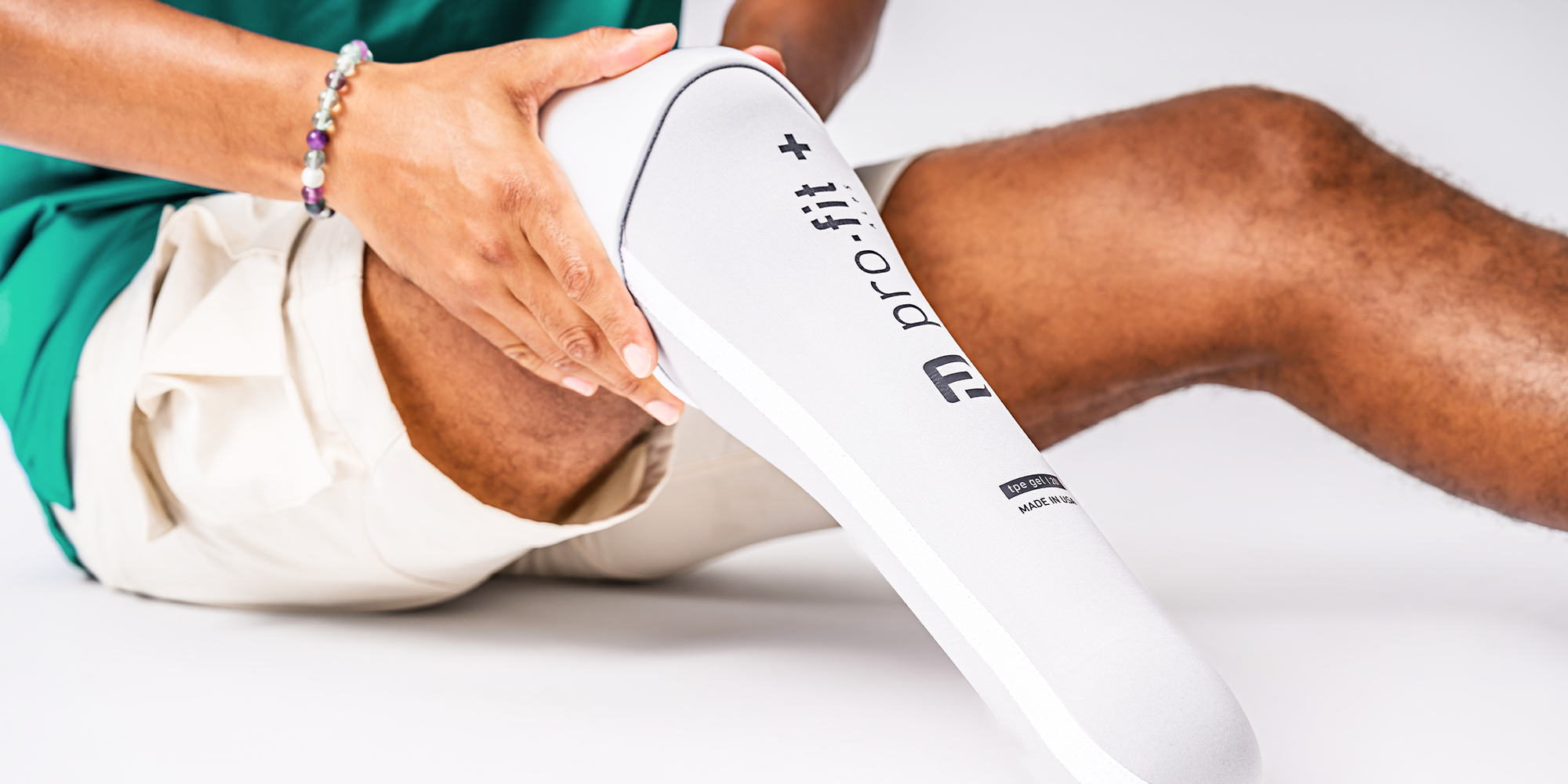
The prosthetic liner plays a critical role in the relationship between the residual limb and the prosthetic socket. More than simply providing a layer between the skin and socket, the liner can directly influence pressure distribution, stability, comfort, and ultimately the quality of walking.
A recent clinical case evaluation examined this relationship in a transfemoral amputee experiencing significant pain during gait. The evaluation compared multiple liner technologies and used pressure measurements during walking to better understand how liner selection affected the forces experienced at a particularly vulnerable area of the residual limb.
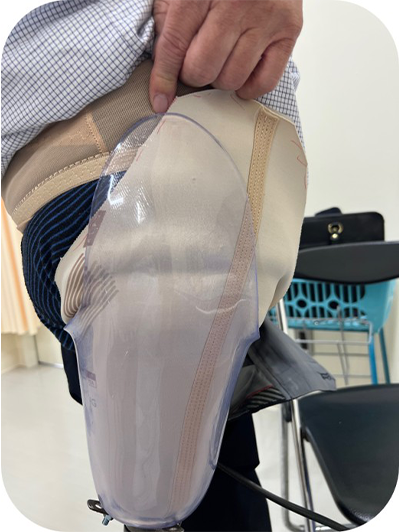
The patient presented with a very short transfemoral residual limb. Initially, sufficient soft tissue remained around the distal end of the limb to provide protection. Over time, however, soft tissue atrophy progressed and a distal bony prominence became increasingly pronounced.
With each step, this prominent area repeatedly contacted the inner wall of the prosthetic socket, creating localized pressure and significant pain during walking. The discomfort had begun to negatively affect both walking comfort and function.
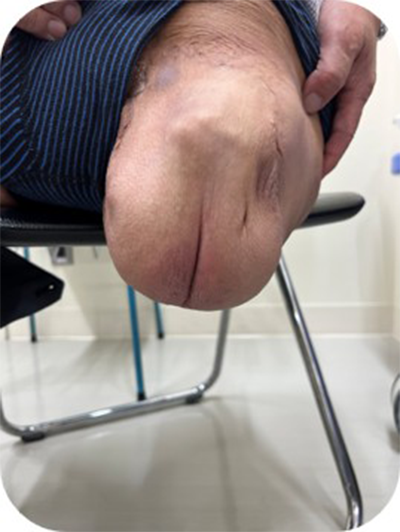
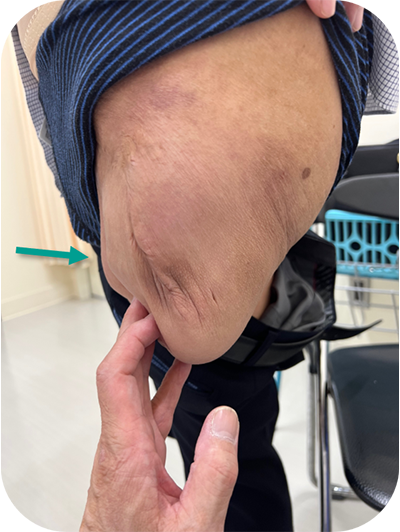
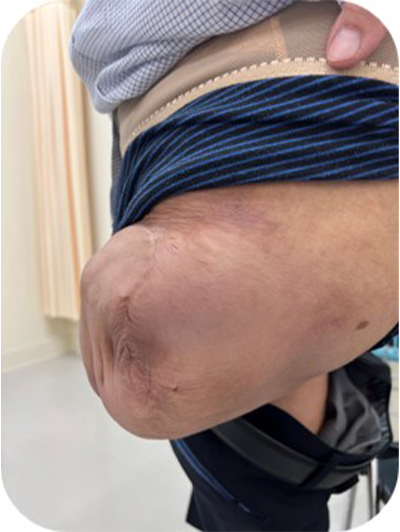
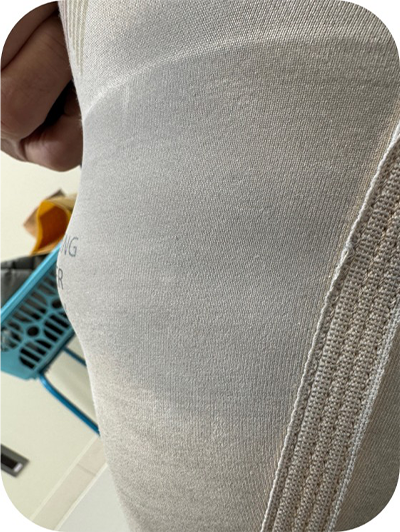
During limb flexion, the prominence became even more apparent, illustrating the limited soft tissue available to protect the distal region from repeated loading inside the socket. This concentrated pressure was believed to be the primary source of the patient's pain with each step.
Because of the severity of the patient's discomfort, socket modification or the addition of localized padding was initially considered. Before making those changes, however, an ALPS gel liner was introduced.
The patient reported a significant reduction in pain through liner selection alone — with no socket modification or added padding.
This observation raised an important clinical question: could the pressure-distribution properties of the liner itself be responsible for the improvement? To investigate further, the patient's experience was evaluated using instrumental measurements during gait.
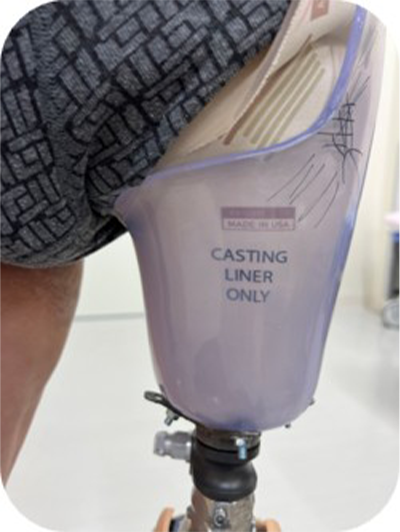
A pressure sensor was positioned at the area where the distal bony prominence was expected to contact the socket wall. The patient then completed walking trials under normal walking conditions, with approximately 20 seconds of data recorded for each liner condition.
Three liner technologies were evaluated: a commercially available silicone liner, EasyGel, and OptiGel. Pressure data were recorded throughout the gait cycle to quantify loading at the painful distal region and determine whether the patient's perceived improvement could also be observed instrumentally.
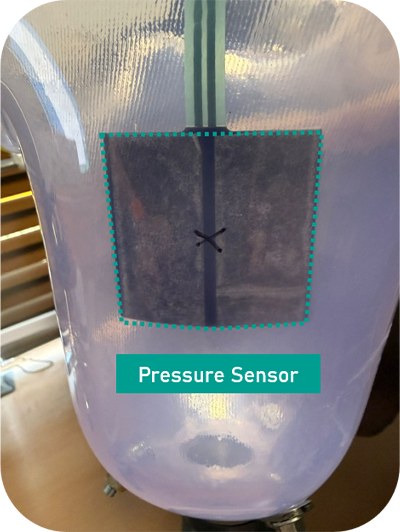
Pressure sensor positioned at the area corresponding with the distal bony prominence
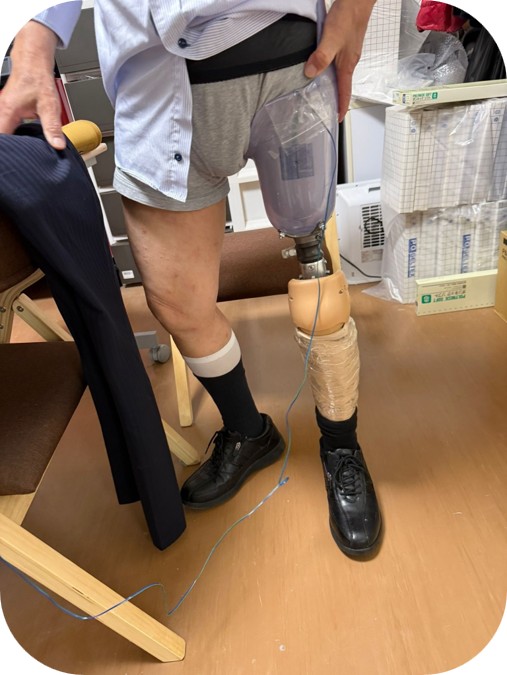
The patient prepared for instrumental gait testing
The measurements supported what the patient had experienced clinically. The commercially available silicone liner produced the highest readings of the three liner conditions. EasyGel reduced force compared with the silicone liner, while OptiGel produced the lowest measured values during walking under the evaluated conditions.
Lower Mean Force vs EasyGel
Lower Mean Force vs Commercially Available Silicone
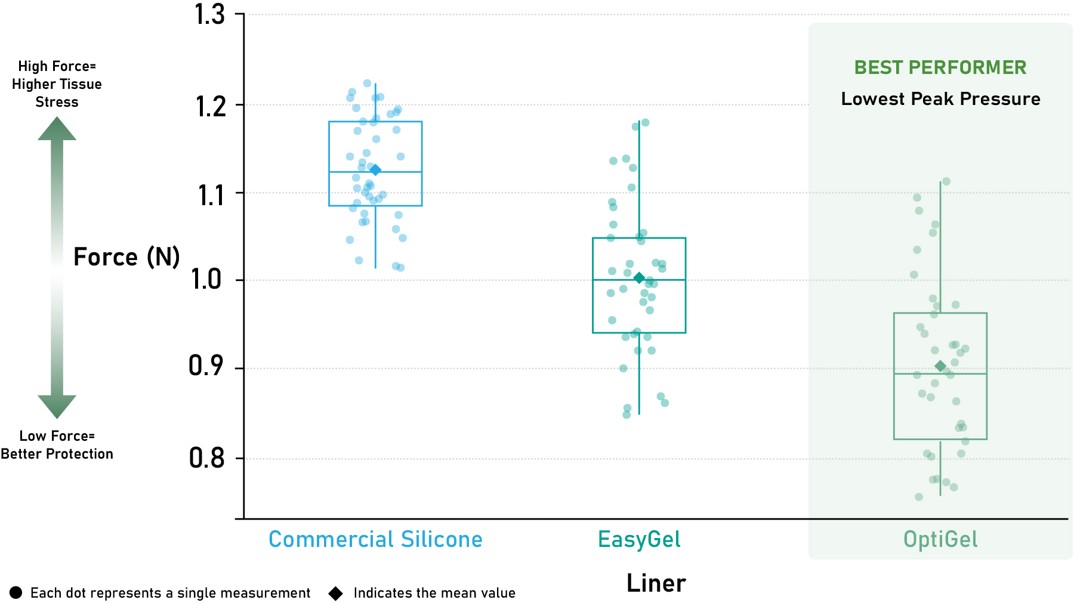
Comparison of measured force among the commercially available silicone liner, EasyGel, and OptiGel. Each dot represents a single measurement; the diamond indicates the mean value.
The instrumental findings aligned with the patient's clinical feedback: lower loading at the painful distal region corresponded with improved comfort and reduced pain during gait. Importantly, this improvement occurred without modifying the socket or adding additional padding.
One of the most interesting findings from the evaluation was the relationship between how a liner feels when handled and how it performs dynamically during walking. OptiGel maintains a relatively firm and stable feel, similar to that often associated with silicone liners. EasyGel, by comparison, may feel more deformable when assessed by hand.
Yet during gait, OptiGel demonstrated a greater ability to distribute pressure and produced lower measured values than both EasyGel and the commercially available silicone liner.
CLINICAL TAKEAWAY:
Tactile perception alone does not necessarily translate to better dynamic pressure management.
The instrumental findings aligned with the patient's clinical feedback: lower loading at the painful distal region corresponded with improved comfort and reduced pain during gait. Importantly, this improvement occurred without modifying the socket or adding additional padding.
Prosthetic liner selection can sometimes be viewed as a compromise between stability and control on one side and cushioning and pressure distribution on the other. In this evaluation, OptiGel reduced localized loading while maintaining the secure, stable feel expected from a prosthetic liner — supporting stability and control, pressure distribution, patient comfort, and walking performance.
CLINICAL TAKEAWAY:
This case began with a straightforward but significant clinical problem: a patient with a very short transfemoral residual limb was experiencing pain with every step because of repeated contact between a distal bony prominence and the prosthetic socket.
The patient's initial improvement with ALPS gel liners was achieved without a socket modification or additional padding. Instrumental gait evaluation subsequently confirmed measurable differences among the liner materials, with OptiGel producing the lowest values during walking under the conditions evaluated.
Perhaps most importantly, the case demonstrates that stability and pressure distribution do not necessarily have to be a tradeoff. OptiGel maintained a firm, stable feel while demonstrating effective dynamic pressure distribution — a combination that may be particularly meaningful when clinicians are addressing sensitive areas, bony prominences, or other pressure-management challenges.
Case Evaluation Note: This article presents findings from an individual clinical case evaluation involving a transfemoral amputee and reflects results observed under the conditions described. Individual outcomes may vary.